
Table of Contents
Hey there! If you love seafood and fresh salads, then you probably know the joy of a good seafood salad. It’s light, flavorful, and feels like a bit of summer on your plate. But before you dig in, it helps to know what’s really inside that bowl. Today, we’ll break down seafood salad nutrition, what to watch out for, and how you can enjoy it smartly.
Ready? Let’s talk about it.
What’s in a Typical Seafood Salad
Seafood salad nutrition can vary depending on the ingredients and preparation, but here’s a rough snapshot of the seafood salad nutrition facts for a typical serving:
- A 4‑ounce (about 113 g) serving often has around 174 calories.
- That serving also delivers about 13 g of protein, 12 g of fat, and only ~2 g of carbohydrates.
- Seafood is a great source of lean protein, which helps keep you full and satisfied.
The seafood salad nutritional value can change based on the type of seafood used and the dressing added, so be mindful of the ingredients you choose.
Why Seafood Salad Can Be a Nutrition Win
Credit: taste.com.au
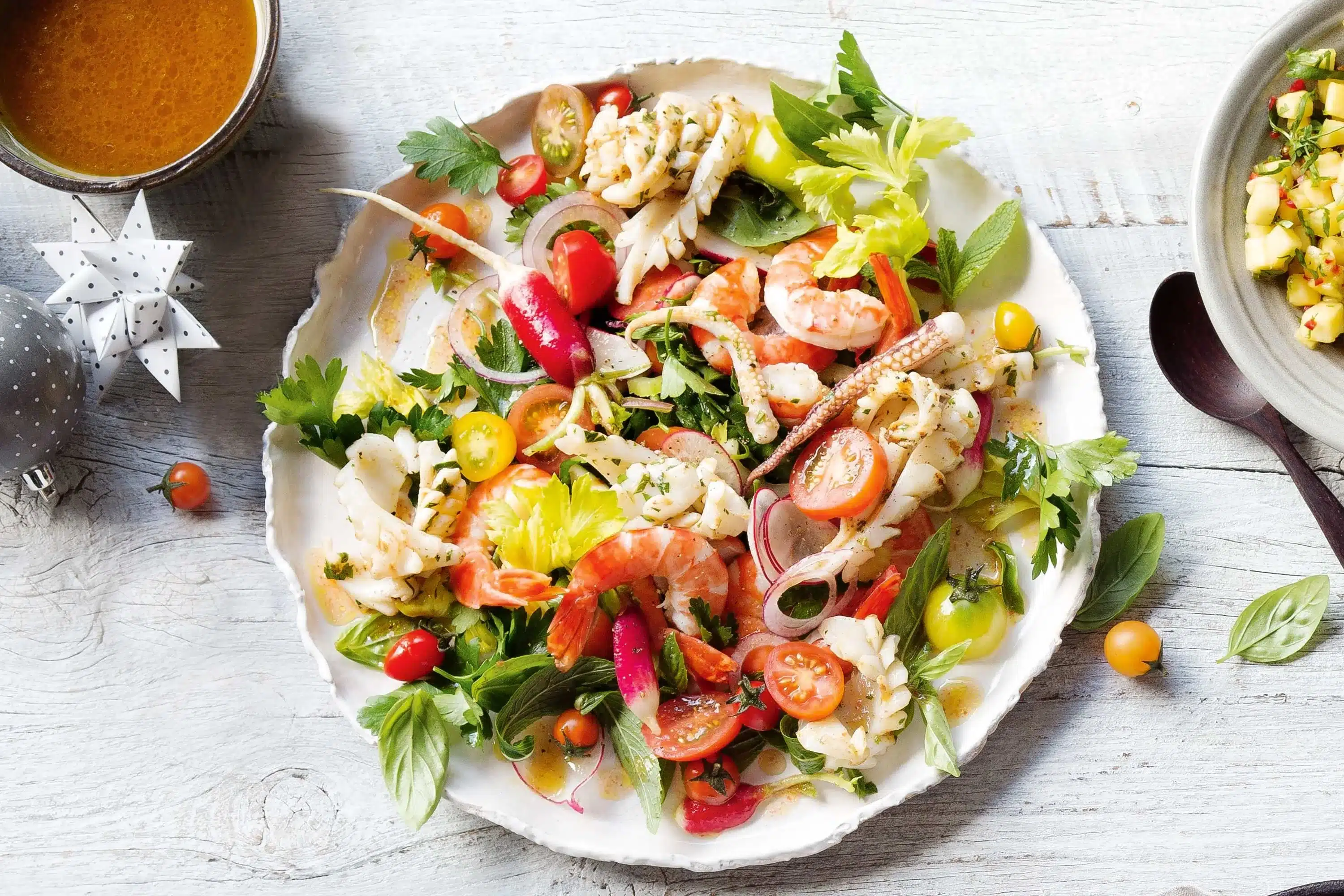
If the seafood salad is made with fresh seafood and fresh vegetables, it can be a great addition to a healthy diet. Here’s why:
Lean Protein & Amino Acids
Seafood (fish, shellfish, etc.) provides high‑quality lean protein. It includes all essential amino acids and tends to be easier to digest than heavier meats. Protein helps build and repair tissues, great if you’re active or trying to stay healthy.
Healthy Fats & Omega‑3s
Many seafood types are rich in omega‑3 fatty acids, which support brain function, heart health, and overall wellness. A seafood salad made with fresh seafood can bring those benefits, especially when paired with fresh vegetables instead of heavy dressings.
Vitamins & Minerals
Seafood brings in vitamins and minerals like vitamin D, B‑vitamins, selenium, and iodine, all of which support immunity, bone health, and energy metabolism. Add veggies or greens to your salad, and you also get fiber, antioxidants, and extra vitamins, a win for both taste and health.
Versatility & Lightness (When Done Right)
Lastly, seafood pasta salad doesn’t have to be heavy. If you skip heavy sauces or mayo-based dressings, it becomes a light, refreshing, and nutritious meal, ideal for lunch or a wholesome dinner.
Speaking of dinner, you can also check our blog guide on romantic seafood recipes; your inspiration to prepare a hearty meal for your loved one.
What to Watch Out For — Balance is Key
As with many tasty foods, seafood salad nutrition information can vary, and it’s important to be mindful of a few things:
- Dressings & Add-ons can add calories. Creamy sauces, mayo, heavy oils, these spike fat and calories fast. Instead, try a drizzle of olive oil and lemon juice for a lighter, fresher flavor.
- Portion size matters. A small serving might be light and healthy, but a large portion can be quite caloric, especially if you’re eating a seafood pasta salad.
- Sodium levels. Many ready‑made or store-bought seafood salads have added salt. Too much sodium can offset health benefits.
- Seafood quality. Freshness is key. Opt for fresh seafood to avoid contaminants and maximize the health benefits of seafood.
How to Build a Nutrient‑Packed Seafood Salad
Credit: seriouseats.com
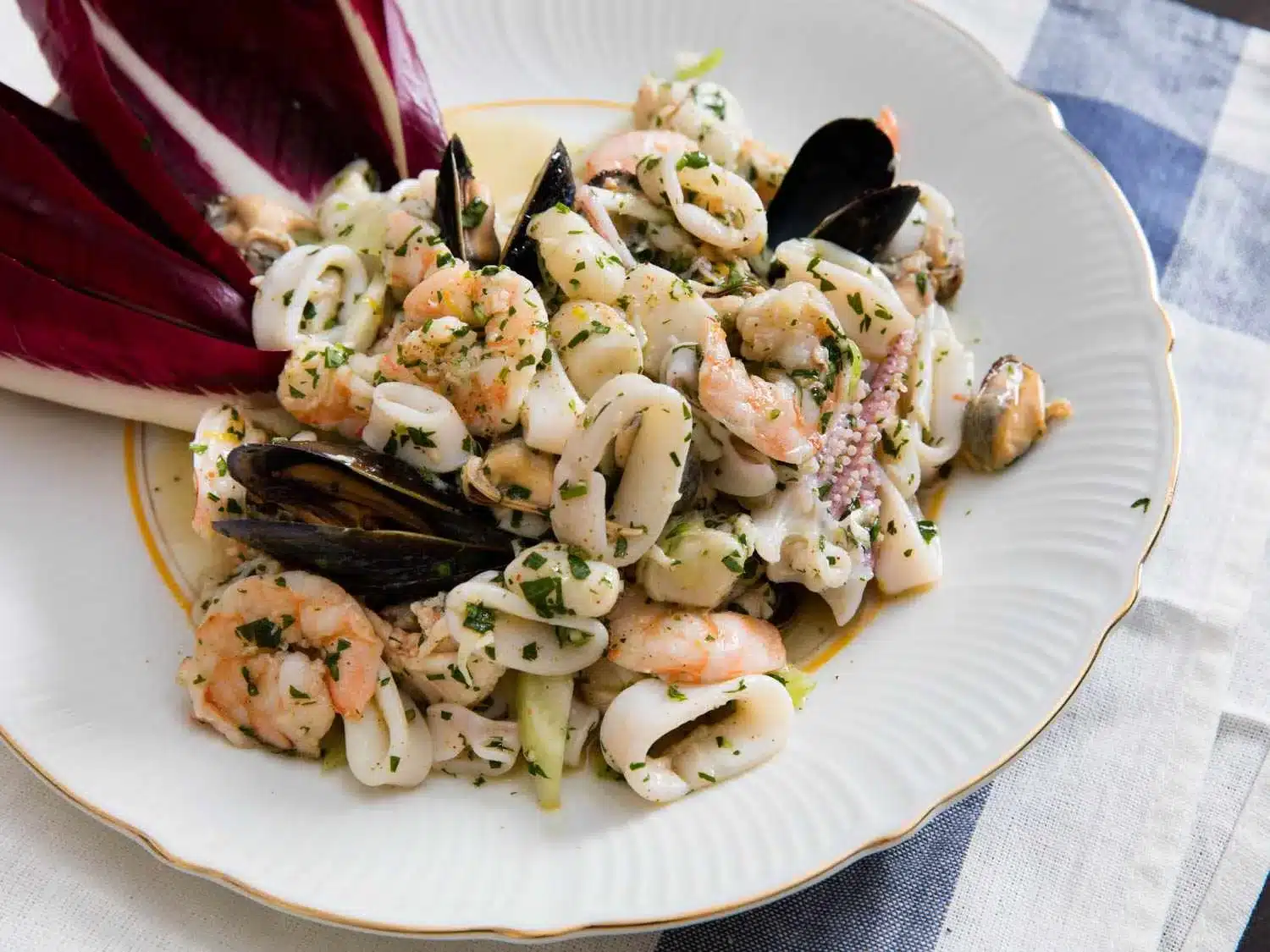
Want to enjoy seafood salad in a way that’s tasty and healthy? Here’s a practical guide:
Choose Fresh & Lean Seafood
Go for fish or shellfish, like shrimp, crab, scallops, or low‑mercury fish, that offer good protein and healthy fats. Seafood is a great lean protein source.
Add Colorful Veggies & Greens
Include fresh vegetables like bell peppers, cucumbers, onions, and leafy greens. They add fiber, vitamins, crunch, and freshness. A little red onion adds a bite that’ll excite your taste buds.
Pick Light Dressings
Use olive oil, lemon juice, or a yogurt-based dressing for seafood instead of heavy mayo or creamy sauces. This keeps fat and calories lower while adding flavor.
Watch Portions
Treat seafood salad like any meal; a moderate portion (maybe 4–6 oz) can be filling and healthy.
Mix Seafood with Variety
Try mixing seafood types; shellfish + fish + veggies, to diversify nutrients and textures. A well-rounded mix boosts nutrition and keeps meals interesting.
Who Should Especially Love Seafood Salad
Seafood salad can be great if you:
- Want a lean, high‑protein meal without heavy calories.
- Care about brain function or want omega‑3s for brain & heart support.
- Want a meal that’s easy, quick, and flexible (lunch, dinner, light meal).
- Are you trying to balance protein + vitamins + fiber, a complete meal without heavy carbs?
Also, it’s a good pick if you’re watching your weight but don’t want to sacrifice taste or satisfaction.
And do you know pasta salads are also a staple in seafood, offering you a mix of taste and nutrition. Check out our guide and thank us later.
Sample Seafood Salad Nutrition Snapshot
Here’s a quick side‑by‑side look at what a modest seafood salad serving gives you (versus heavy alternative dishes):
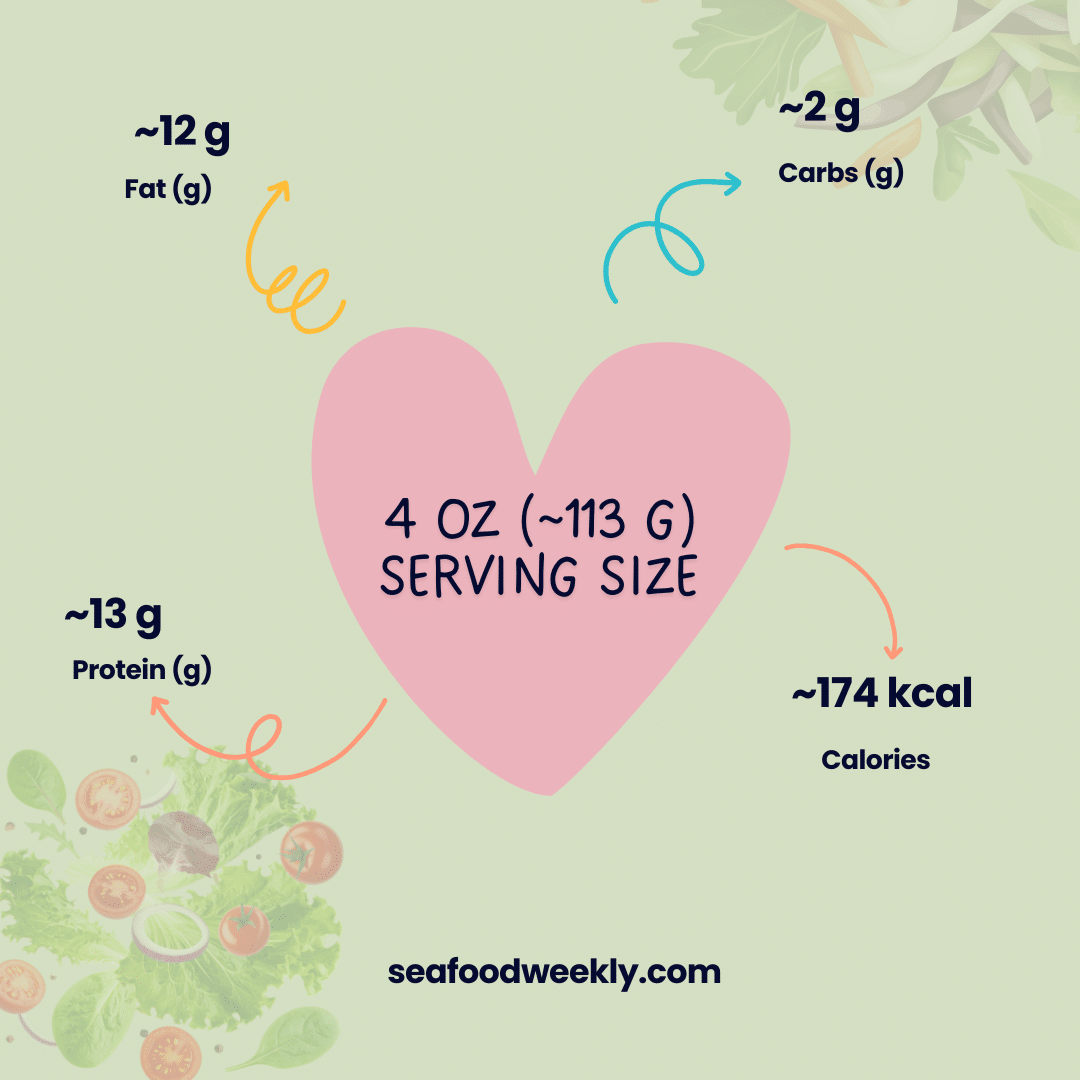
This makes seafood salad a balanced, protein‑rich option, especially if you skip heavy dressings or fried add‑ons.
Final Thoughts
Yes, seafood salad can absolutely be a nutritious, satisfying dish if you choose quality seafood and build it thoughtfully. It offers lean protein, healthy fats, vitamins, and the flexibility to be light or hearty depending on your mood.
But, as with any dish, it’s all about how you prepare it. Light dressings, lots of veg, proper portion size, and fresh seafood make it great. Heavy creams, large portions, or overly salty add-ons tip the balance.
Frequently Asked Questions
Now, to wrap up everything we have discussed so far, here are some common questions.
What makes seafood salad a healthy choice?
Because it’s rich in high‑quality protein, healthy omega‑3 fats, and essential vitamins and minerals. Plus, when paired with vegetables, it adds fiber and volume with light calories.
How often should I eat seafood salad?
Including seafood 1–2 times per week (as recommended by dietary guidelines) is great. But like anything, moderation matters.
Is seafood salad good for weight management?
Yes, it’s protein keeps you full, and if kept light, it can be lower in calories than many heavy meals.
What should I avoid when making seafood salad?
Skip heavy mayo-based dressings, avoid oversalting, and steer clear of fried seafood. Use fresh, good-quality ingredients.
Can I eat seafood salad if I’m trying to cut carbs?
Absolutely. Seafood salad is often low in carbs (especially if you skip starchy add-ons). Its high protein and fats can make it filling for low‑carb diets.

GIPHY App Key not set. Please check settings